When shippers compare FTL and groupage from Romania, the conversation usually starts and ends with cost. That framing misses the operational factors that determine whether either option actually delivers.
FTL gives control but demands readiness
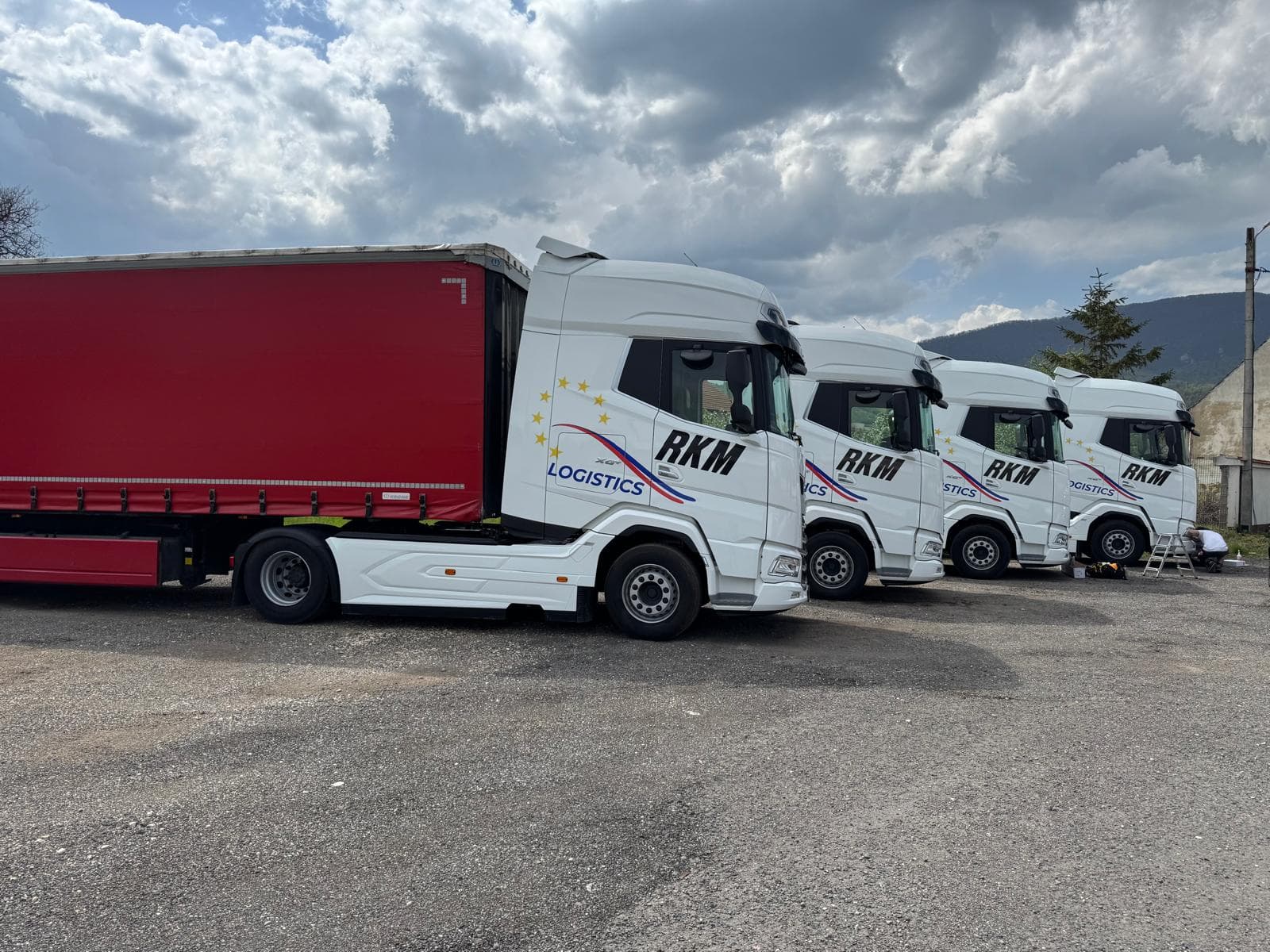
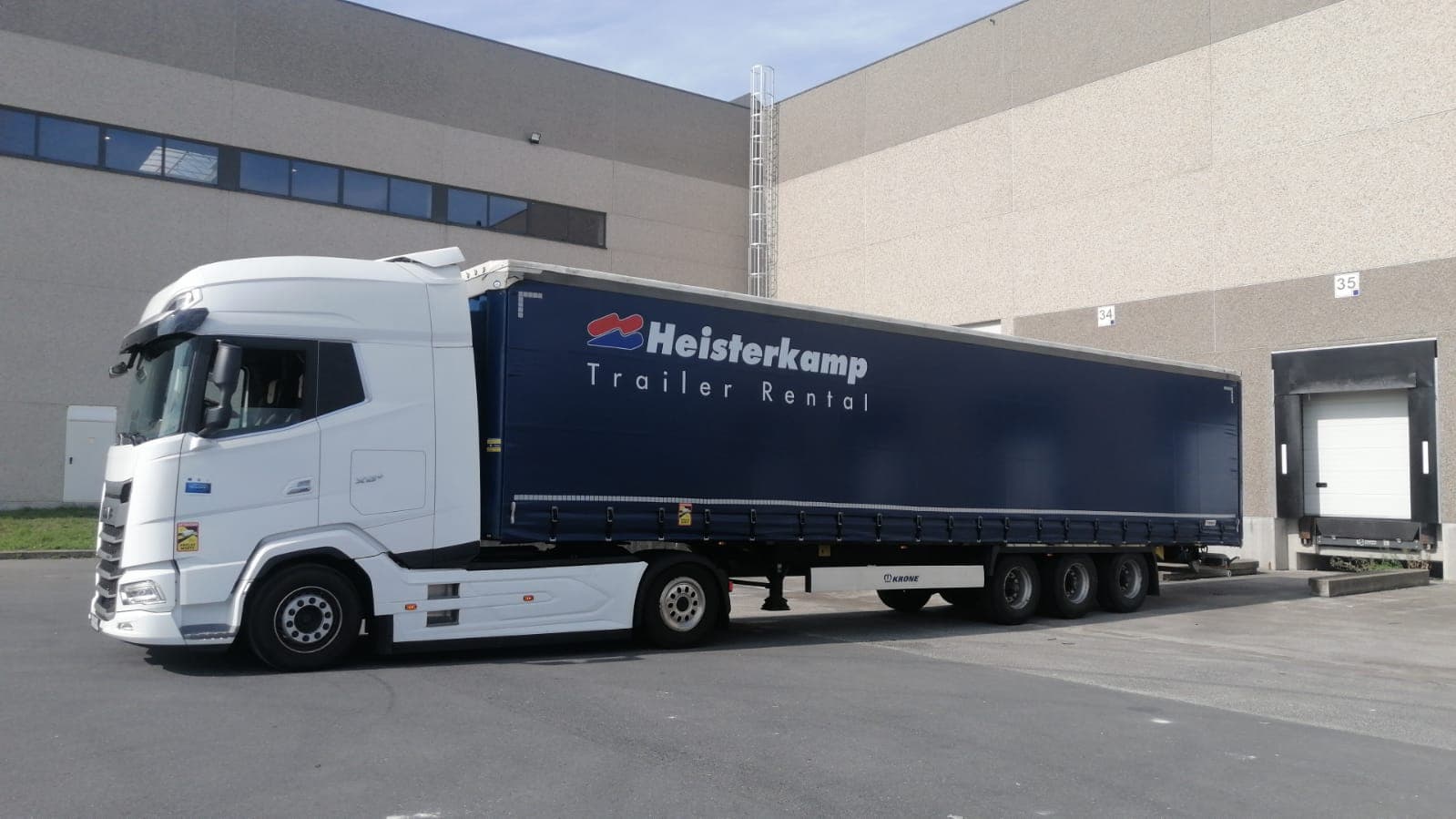
Full truckload offers direct routing, faster transit, and full visibility. But it requires confirmed volumes, loading discipline, and schedule commitment. A poorly planned FTL creates more cost than a well-managed groupage.
Groupage offers flexibility but requires clarity
Groupage works when constraints are communicated early. Delivery windows, pallet specifications, and handling notes must be clear at booking. Without them, consolidation becomes reactive and transit times suffer.
The right answer depends on what the cargo needs
Time-critical shipments with full loads suit FTL. Regular partial loads with clear constraints suit groupage. The decision should be driven by operational need, not habit or price alone.
Roel Trans Serv helps shippers choose based on actual lane requirements, not assumptions. Both models work. Both fail when the inputs are wrong.